
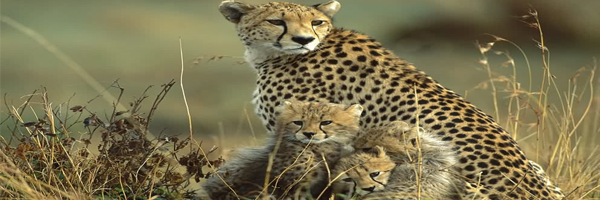
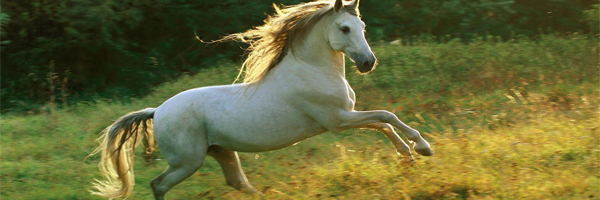
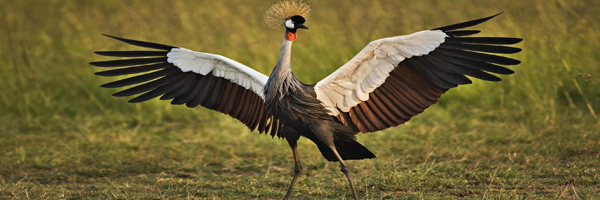
Endangered species What Does It Means?
 An endangered species is a native species that faces a significant risk
of extinction in the near future throughout all or a significant portion
of its range. Such species may be declining in number due to threats
such as habitat destruction, climate change, or pressure from invasive
species.
An endangered species is a native species that faces a significant risk
of extinction in the near future throughout all or a significant portion
of its range. Such species may be declining in number due to threats
such as habitat destruction, climate change, or pressure from invasive
species.
The term endangered species can be used either in general or legal context. When used in a general sense, the term describes a species that faces a risk of extinction but does not necessarily indicate that the species is protected under any law. When used in a legal context, the term refers specifically to a species that is listed on the US Endangered Species List and is defined legally as an animal or plant species in danger of extinction throughout all or a significant portion of its range.
It is often easy to feel overwhelmed in the face of species loss and habitat destruction. The problem is large and complex—it's common for individuals to feel powerless. Yet, everything we do is vitally important. We may only do a little bit in the grand scheme of things, but together our seemingly small actions add up to a lot.
So What Can We Do :
 Perhaps the greatest threat that faces many species is the widespread destruction of habitat.
Deforestation, farming, over-grazing and development all result in
irreversible changes—soil compaction, erosion, desertification, and
alteration of local climatic conditions. Such land use practices vastly
alter or even eliminate wildlife habitat. In areas where rare species
are present, habitat destruction can quickly force a species to
extinction.
Perhaps the greatest threat that faces many species is the widespread destruction of habitat.
Deforestation, farming, over-grazing and development all result in
irreversible changes—soil compaction, erosion, desertification, and
alteration of local climatic conditions. Such land use practices vastly
alter or even eliminate wildlife habitat. In areas where rare species
are present, habitat destruction can quickly force a species to
extinction.
By protecting habitat, entire communities of animals can be protected together and when communities are kept intact, less conservation intervention is required to ensure species survival. Parks, reserves, and other protected lands are too often the only habitats left untouched by habitat destruction.
 There is a wide range of conservation organizations
working to protect endangered animals and habitats. Different
organizations have different objectives—some work to protect a small
plot of land or to protect whales, others focus on establishing good
environmental policies in local government.
There is a wide range of conservation organizations
working to protect endangered animals and habitats. Different
organizations have different objectives—some work to protect a small
plot of land or to protect whales, others focus on establishing good
environmental policies in local government.
If you have a specific area of interest, you can often find an organization that is working to protect the species or habitats you're most concerned about. By joining in, you can support well-organized, ongoing efforts to protect species and habitats. And if you want to participate in conservation field work, you can often get involved in specific programs within many conservation organizations that rely to a great extent on help from volunteers.
 The
spread of non-native species has greatly impacted native populations
around the world. Invasive species compete with native species for
resources and habitat. They can even prey on native species directly,
forcing native species towards extinction. Another way to reduce the
threat of invasive species is to incorporate native plants in your
garden and to welcome native animals into your yard.
The
spread of non-native species has greatly impacted native populations
around the world. Invasive species compete with native species for
resources and habitat. They can even prey on native species directly,
forcing native species towards extinction. Another way to reduce the
threat of invasive species is to incorporate native plants in your
garden and to welcome native animals into your yard.
 By
recycling and (reusing as much as we can, we reduce our impact on the
environment. Additionally, by reducing the energy we consume, we take a
little of the burden off our natural resources (and our pocketbooks).
You can also reduce your carbon footprint by first calculating your
current carbon footprint and then reduce the amount of carbon you
consume.
By
recycling and (reusing as much as we can, we reduce our impact on the
environment. Additionally, by reducing the energy we consume, we take a
little of the burden off our natural resources (and our pocketbooks).
You can also reduce your carbon footprint by first calculating your
current carbon footprint and then reduce the amount of carbon you
consume.
 Herbicides
and pesticides may keep yards looking nice but they are in fact
hazardous pollutants that affect wildlife at many levels. Many
herbicides and pesticides take a long time to degrade and build up in
the soils or throughout the food chain. Some groups of animals such as
amphibians are particularly vulnerable to these chemical pollutants and
suffer greatly as a result of the high levels of herbicides and
pesticides in their habitat.
Herbicides
and pesticides may keep yards looking nice but they are in fact
hazardous pollutants that affect wildlife at many levels. Many
herbicides and pesticides take a long time to degrade and build up in
the soils or throughout the food chain. Some groups of animals such as
amphibians are particularly vulnerable to these chemical pollutants and
suffer greatly as a result of the high levels of herbicides and
pesticides in their habitat.
 Daniel Klem Jr. of Muhlenberg College has estimated that as many as one billion birds in the United States die each year due to collisions with windows.
You can help reduce the number of collisions simply by placing decals
on the windows in your home and office. Other simple steps you can take
to reduce the likelihood of collisions are to re-evaluate feeder
placement, draw shades and curtains during brightest parts of day,
install tilted window glass, and put screens on outside of windows.
Daniel Klem Jr. of Muhlenberg College has estimated that as many as one billion birds in the United States die each year due to collisions with windows.
You can help reduce the number of collisions simply by placing decals
on the windows in your home and office. Other simple steps you can take
to reduce the likelihood of collisions are to re-evaluate feeder
placement, draw shades and curtains during brightest parts of day,
install tilted window glass, and put screens on outside of windows.
 Many
native animals have to live in developed areas and this means they must
navigate a landscape full of human hazards. One of the biggest
obstacles to wildlife living in developed areas is that created by
roads. Roads divide habitat and present a constant hazard to any animal
attempting to cross from one side to the other. So when you're out and
about, slow down and keep an eye out for wildlife.
Many
native animals have to live in developed areas and this means they must
navigate a landscape full of human hazards. One of the biggest
obstacles to wildlife living in developed areas is that created by
roads. Roads divide habitat and present a constant hazard to any animal
attempting to cross from one side to the other. So when you're out and
about, slow down and keep an eye out for wildlife.
The term endangered species can be used either in general or legal context. When used in a general sense, the term describes a species that faces a risk of extinction but does not necessarily indicate that the species is protected under any law. When used in a legal context, the term refers specifically to a species that is listed on the US Endangered Species List and is defined legally as an animal or plant species in danger of extinction throughout all or a significant portion of its range.
It is often easy to feel overwhelmed in the face of species loss and habitat destruction. The problem is large and complex—it's common for individuals to feel powerless. Yet, everything we do is vitally important. We may only do a little bit in the grand scheme of things, but together our seemingly small actions add up to a lot.
So What Can We Do :
1. Protect Wildlife Habitat
Perhaps the greatest threat that faces many species is the widespread destruction of habitat.
Deforestation, farming, over-grazing and development all result in
irreversible changes—soil compaction, erosion, desertification, and
alteration of local climatic conditions. Such land use practices vastly
alter or even eliminate wildlife habitat. In areas where rare species
are present, habitat destruction can quickly force a species to
extinction.By protecting habitat, entire communities of animals can be protected together and when communities are kept intact, less conservation intervention is required to ensure species survival. Parks, reserves, and other protected lands are too often the only habitats left untouched by habitat destruction.
2. Join a Conservation Organization
There is a wide range of conservation organizations
working to protect endangered animals and habitats. Different
organizations have different objectives—some work to protect a small
plot of land or to protect whales, others focus on establishing good
environmental policies in local government.If you have a specific area of interest, you can often find an organization that is working to protect the species or habitats you're most concerned about. By joining in, you can support well-organized, ongoing efforts to protect species and habitats. And if you want to participate in conservation field work, you can often get involved in specific programs within many conservation organizations that rely to a great extent on help from volunteers.
3. Reduce the Threat of Invasive Species
The
spread of non-native species has greatly impacted native populations
around the world. Invasive species compete with native species for
resources and habitat. They can even prey on native species directly,
forcing native species towards extinction. Another way to reduce the
threat of invasive species is to incorporate native plants in your
garden and to welcome native animals into your yard.4. Recycle and Reduce Energy and Goods Consumption
By
recycling and (reusing as much as we can, we reduce our impact on the
environment. Additionally, by reducing the energy we consume, we take a
little of the burden off our natural resources (and our pocketbooks).
You can also reduce your carbon footprint by first calculating your
current carbon footprint and then reduce the amount of carbon you
consume.5. Minimize use of Herbicides and Pesticides
Herbicides
and pesticides may keep yards looking nice but they are in fact
hazardous pollutants that affect wildlife at many levels. Many
herbicides and pesticides take a long time to degrade and build up in
the soils or throughout the food chain. Some groups of animals such as
amphibians are particularly vulnerable to these chemical pollutants and
suffer greatly as a result of the high levels of herbicides and
pesticides in their habitat.6. Place Decals on Windows to Deter Bird Collisions
Daniel Klem Jr. of Muhlenberg College has estimated that as many as one billion birds in the United States die each year due to collisions with windows.
You can help reduce the number of collisions simply by placing decals
on the windows in your home and office. Other simple steps you can take
to reduce the likelihood of collisions are to re-evaluate feeder
placement, draw shades and curtains during brightest parts of day,
install tilted window glass, and put screens on outside of windows.7. Slow Down When Driving
Many
native animals have to live in developed areas and this means they must
navigate a landscape full of human hazards. One of the biggest
obstacles to wildlife living in developed areas is that created by
roads. Roads divide habitat and present a constant hazard to any animal
attempting to cross from one side to the other. So when you're out and
about, slow down and keep an eye out for wildlife.




 Posts
Posts



No Response to " Endangered species"
Post a Comment